What is Stormwater Permitting?
Stormwater permitting is a regulatory process that protects water quality by regulating facilities to minimize pollutants entering stormwater runoff. In New Jersey, the permitting process is primarily regulated by the New Jersey Department of Environmental Protection (NJDEP) under both state and federal laws, particularly the New Jersey Pollutant Discharge Elimination System (NJPDES) regulations and the Federal Clean Water Act.
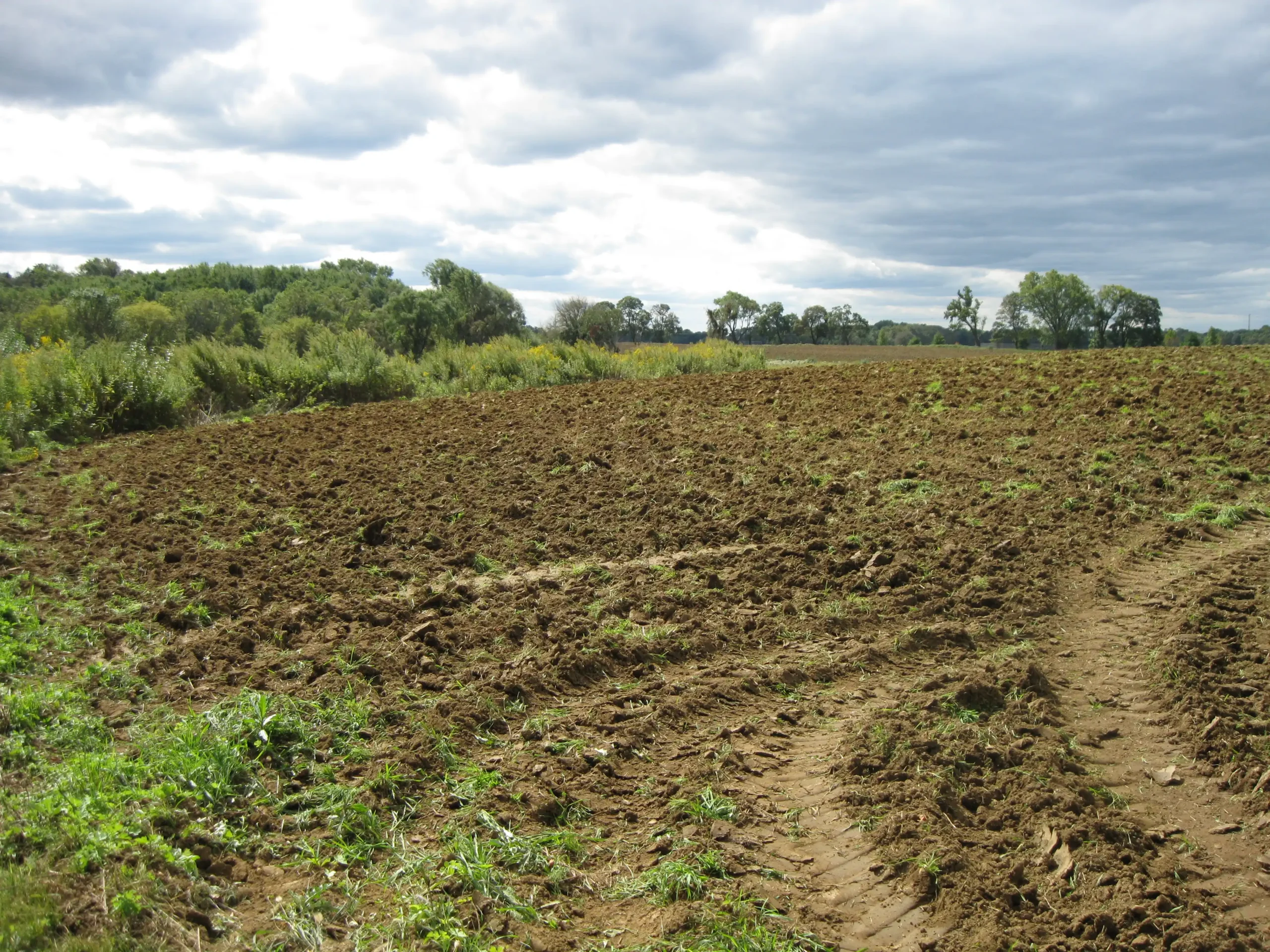
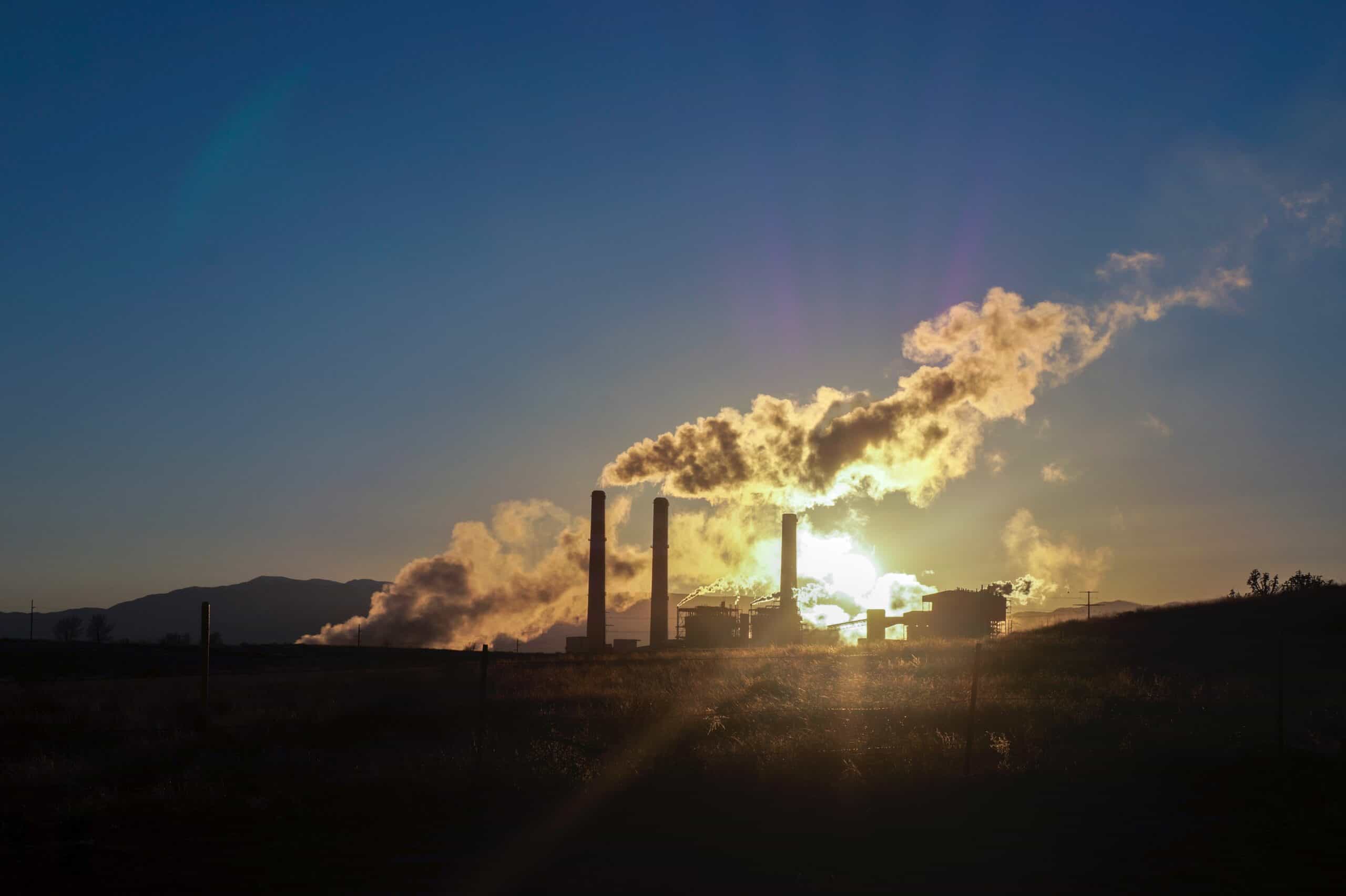
These regulations are in place because stormwater runoff is a leading cause of water pollution. It can pick up pollutants like oil, fertilizers, chemicals, and sediment as it flows over industrial facilities, roads, grass, parking lots, and construction sites. If not properly managed, stormwater runoff can carry these pollutants into nearby streams, rivers, lakes, wetlands, watersheds, and eventually the ocean.