A Case Study in Redefining Value in the Built Environment
Economic development is a balancing act of multiple interests. Developers often prefer to develop property on the periphery of established municipal centers where costs are predictable. Most municipalities would prefer to preserve and celebrate their cultural and civic legacy by reactivating neighborhoods and revitalizing dormant commercial areas. Municipal leadership wants revitalization that can spark further investment and restore lost tax revenue, without changing what makes their municipality unique. As an architecture and engineering firm that has served the tri-state area for over six decades, we have found that many municipalities are finding a solution to this problem by supporting the adaptive reuse of existing buildings.
What is Adaptive Reuse and What Are Some of Its Benefits?
To put it simply, adaptive reuse restores and repurposes existing structures while preserving their historical and architectural significance. While many developers focus on acquiring and developing raw land, adaptive reuse is a development approach that is gaining popularity due to its limited environmental impact and its ability to maintain the history and character of local built environments. The unique architectural elements of a building reflect the era in which it was created, shaped by the materials, techniques, and design principles of the time. As these elements become increasingly difficult and costly to replicate, adaptive reuse offers a compelling alternative by allowing developers to repurpose older buildings and preserve the craftsmanship and character that define their original period.
The statistics show tremendous opportunity for adaptive reuse projects. According to a 2024 national study, office-sector vacancies are hovering around 20%, and with the rise of e-commerce, retail vacancies are also trending up. These two market sectors alone show a trend in vacant space that could be repurposed. In addition, demolition accounts for more than 90% of construction and demolition debris, emphasizing the substantial environmental benefits of reusing existing structures rather than removing and reconstructing them.
How Adaptive Reuse is Helping LAN Craft a Unique Guest Experience at a Hospitality Destination
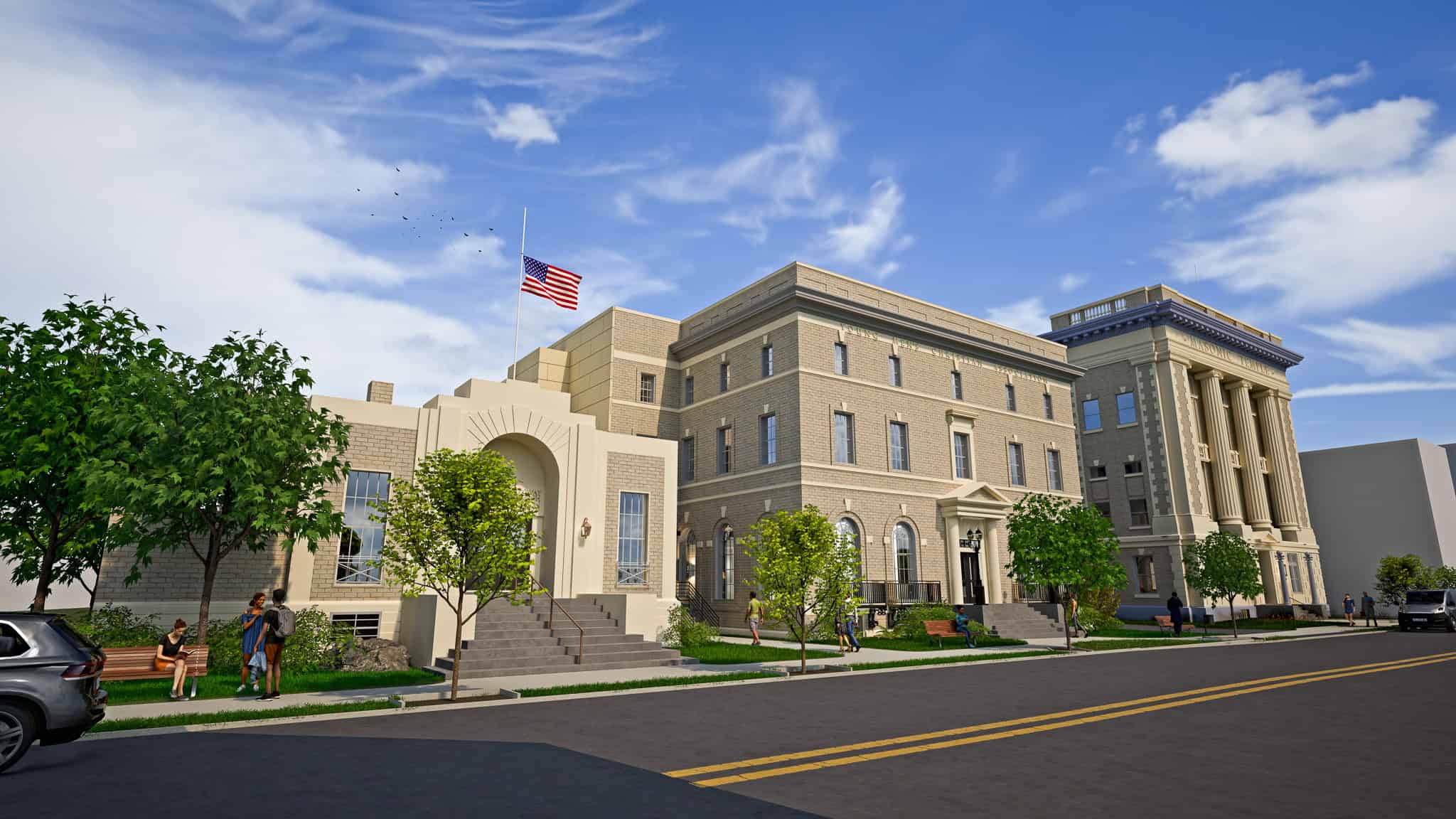
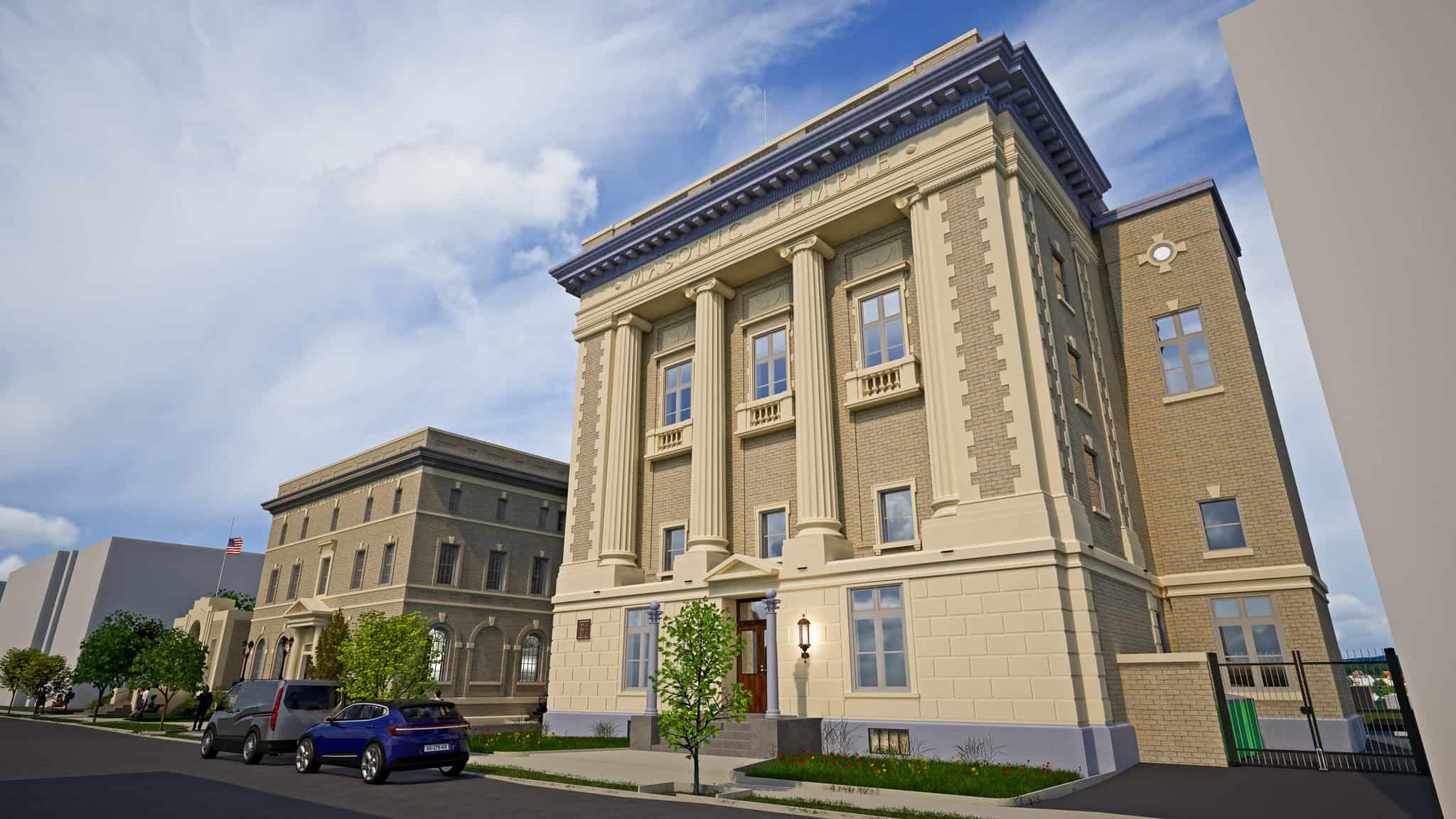
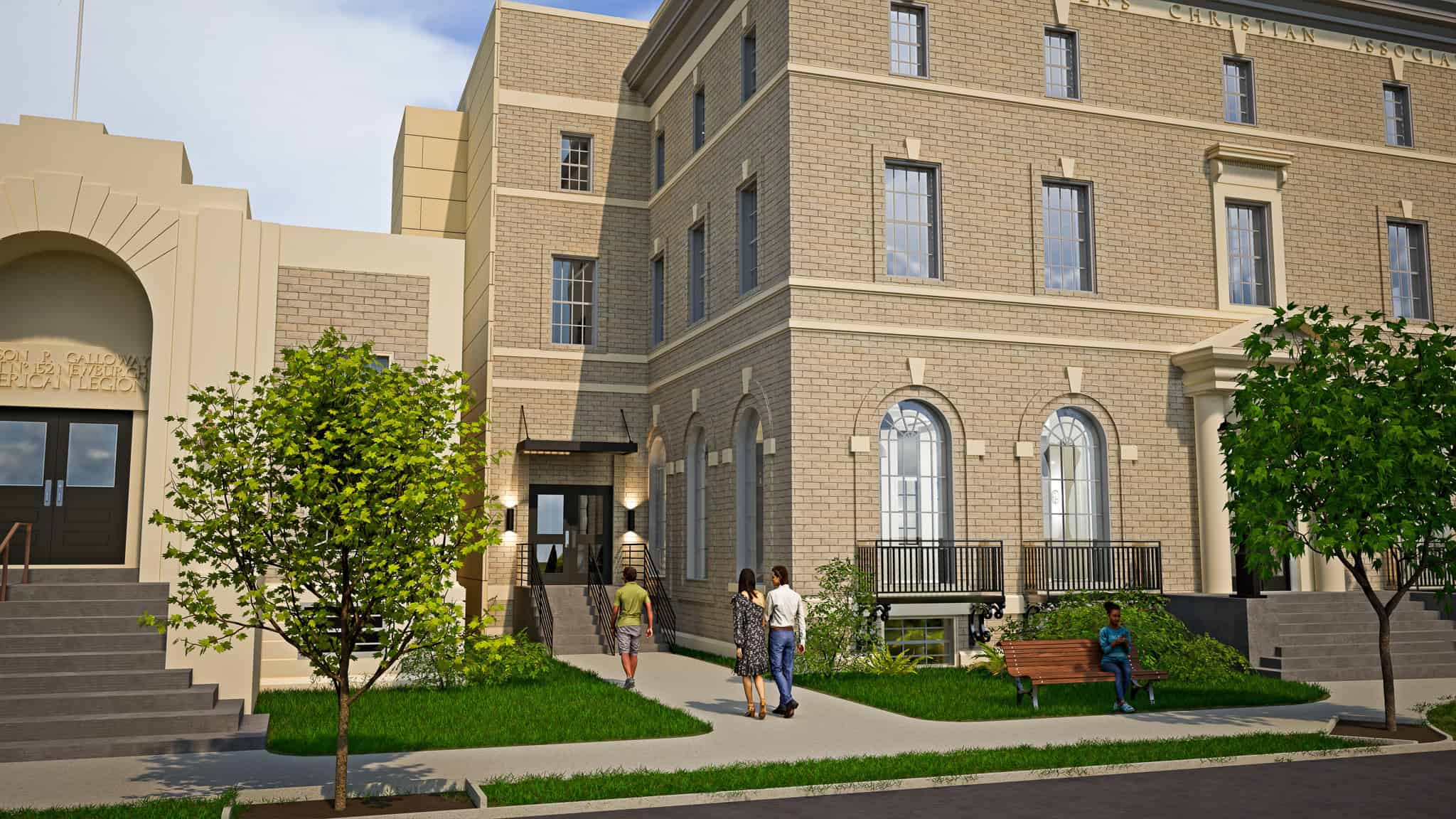
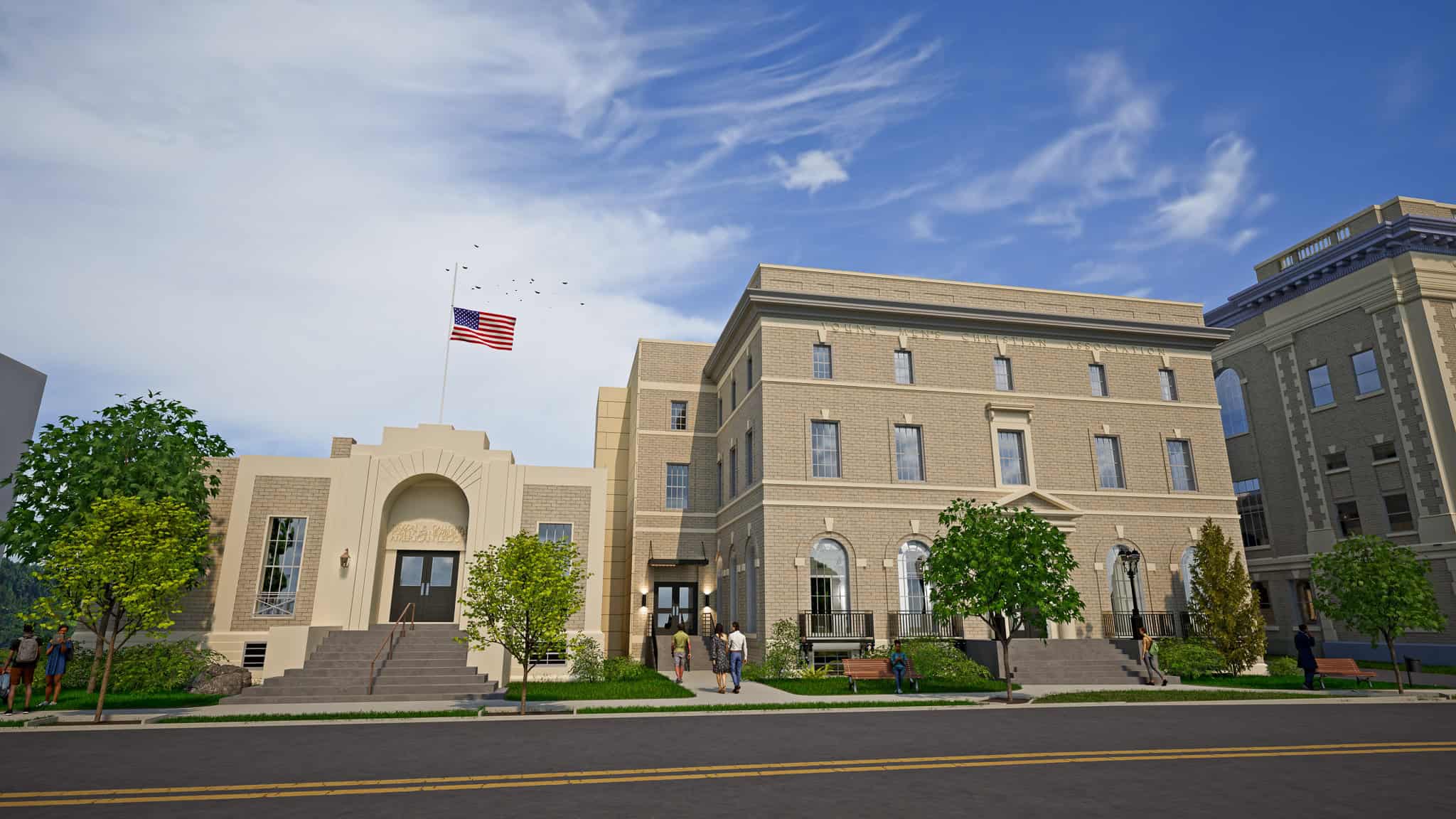
LAN Associates is partnering with Foster Supply Hospitality (FSH) in the City of Newburgh, New York, where FSH is making a significant investment to transform the former YMCA, American Legion Hall, and Masonic Temple into a dynamic, multi-story hotel and hospitality destination. The Masonic Temple and YMCA were built in the Neoclassical style, while the 1930s American Legion features a brick and limestone façade, blending modernized Neoclassicism with Art Deco elements. Located in the East End Historic District, Newburgh’s civic and institutional core, and listed on the National Register of Historic Places, the project breathes new life into these long-vacant, century-old buildings while preserving their defining historic character through adaptive reuse.
The former YMCA and American Legion Hall will be joined by an addition and converted into a 75-key boutique hotel and spa, uniting historic character with modern hospitality. The adjacent Masonic Temple will become a vibrant multi-story event center with two catering halls, several restaurants, and bars. Once complete, these revitalized spaces will drive tourism, generate economic activity, and strengthen Newburgh’s identity as a destination rooted in culture and history.
- Matthew MilnamowVice President – LAN Associates
“Adaptive reuse is where design meets cultural stewardship. There’s an authenticity in historic structures that cannot be affordably replicated today. We’re not just renovating buildings; we’re extending their legacy,” said LAN Vice President Matt Milnamow. “In Newburgh, NY, we’re seeing firsthand how adaptive reuse can revitalize places to serve new generations and catalyze economic development.”
Common Challenges of Adaptive Reuse Projects
Preserving old buildings requires a great deal of care, foresight, due diligence, and coordination.
Projects often need to balance historic preservation with modern use.
While adaptive reuse offers benefits, preserving or restoring old buildings can come with unexpected costs.
Owners & design professionals need to remain adaptable to unforeseen conditions.
Older structures need to be updated to meet modern code requirements.
Older buildings were designed for different functions, loads, and technologies.
How LAN Overcame the Challenges Presented by the Foster Supply Hospitality Project
With the Foster Supply Hospitality project, LAN faced several challenges, including the need to carefully document the Masonic Temple’s significant features to ensure proper restoration. This allowed the design of the Temple to retain much of its original character, minimize the configuration of the original space plan, and restore the historical features such as the monumental stairs, ornamental handrails, fireplace, wood wainscoting, trim, and windows. Prior to construction, the team was aware of moisture damage at the Masonic Temple. At the start of construction, the contractor repaired the building envelope to arrest water infiltration and stabilize the indoor air quality at the basement floor level.
FSH initially planned an 80-key hotel with a pool and rooftop bar. However, the design was put on hold several times due to challenges with property acquisition and securing financing. Over the course of six years, the project budget increased by more than 50%, which required conceding a pool, fewer hotel rooms, a rooftop bar, and a larger addition to the Temple. However, the true value of adaptive reuse lies in capturing the irreplaceable historical character embedded in each building at the heart of Newburgh. The craftsmanship cannot be reproduced cost-effectively, and while Newburgh still offers prime realty in civic locations, these opportunities are rare in more sought-after urban markets and village centers.
The Expanding Role of Adaptive Reuse in Future Development
As development priorities shift, adaptive reuse is emerging as a forward-thinking solution with lasting impact. These projects show that FSH is investing in more than real estate; it is investing in the rebirth of the City of Newburgh, with LAN leading the restoration and transformation of these buildings for their next chapter. As cities continue to prioritize sustainability and cultural preservation, adaptive reuse will play an increasingly important role in shaping the future of development, offering a sustainable and responsible approach that reduces material waste while celebrating the architectural heritage that defines a community’s identity.
News & Insights
Keep up to date with the latest LAN news and projects and read insightful articles about the AEC industry