A Guide to Environmental Regulations, LSRPs, and K-12 Educational Facility Construction Projects

A Guide to Environmental Regulations, LSRPs, and Educational K-12 Facility Construction Projects

The state of New Jersey is often recognized for its leadership in environmental responsibility, passing proactive laws and setting regulations that safeguard the public from environmental hazards. Extra care is also given to protecting vulnerable populations, such as children, so the laws ensuring K-12 schools are safe and protected from contamination are some of the most comprehensive in the Garden State.       

LAN Associates is a full-service architecture and engineering firm specializing in the design of K-12 educational facilities, and we have a dedicated environmental engineering department. To help educational professionals who oversee school construction projects understand the regulations that ensure the safety of their school’s site, the environmental professionals at LAN Associates have compiled this guide to New Jersey’s environmental rules and K-12 school construction.  

If your school project includes one or more of the conditions in I and II below, the project is subject to the Madden Legislation, and an LSRP and environmental investigations would be required:

I: One of these activities is occurring at the site:

II:  The subject site is/was:

The Madden Legislation and New Jersey K-12 Construction

The Madden Legislation and New Jersey Department of Environmental Protection (NJDEP) regulations currently govern the environmental aspects of educational facility projects involving new construction, major renovations, or expansions. In many cases, this requires the site to be examined by a Licensed Site Remediation Professional (LSRP) who can assess potentially harmful contamination. This includes locally funded projects and projects being funded by the New Jersey Schools Development Authority (SDA) or overseen by the Department of Education (DOE).

The Madden Legislation and New Jersey K-12 Construction

The Madden Legislation and New Jersey Department of Environmental Protection (NJDEP) regulations currently govern the environmental aspects of educational facility projects involving new construction, major renovations, or expansions. In many cases, this requires the site to be examined by a Licensed Site Remediation Professional (LSRP) who can assess potentially harmful contamination. This includes locally funded projects and projects being funded by the New Jersey Schools Development Authority (SDA) or overseen by the Department of Education (DOE). 

If your school project includes one or more of the conditions in I and II below, the project is subject to the Madden Legislation, and an LSRP and environmental investigations would be required:

I: One of these activities is occurring at the site:

II:  The subject site is/was:

The Madden Legislation: Preliminary Assessments and Areas of Concern

The Madden Legislation: Preliminary Assessments and Areas of Concern

For K-12 school construction projects in New Jersey, a Licensed Site Remediation Professional (LSRP) is typically required to conduct what is called a Preliminary Assessment (PA) of the site. The goal of this assessment is to identify potential environmental Areas of Concern (AOCs), which are essentially evidence of past site uses that may indicate the site poses environmental risks.  

If no AOCs are identified, the LSRP can issue a Response Action Outcome (RAO). AN RAO is a legal document that can only be issued by an LSRP and certifies that the site of your school project is environmentally safe for construction and occupancy. An LSRP issued RAO is required to be provided to the municipal construction official in order to receive a construction permit and/or Certificate of Occupancy (CO). If an AOC is present, the LSRP will need to conduct an additional investigation, and site remediation may be required before a construction permit and/or a CO can be issued. Site remediation is a regulatory process that involves cleaning up environmental contamination and/or engineering safeguards to eliminate or reduce the risk that the environmental AOC poses.

Past uses of a site that might indicate environmental risks:

Why is it Essential to Retain an LSRP Early in the Construction Planning Process?

The sooner you know of an environmental condition at your site, the sooner you can plan and budget to mitigate the problem. The later you find out about environmental conditions impacting your site, the greater the chance for potential severe consequences that can cause scheduling delays, health concerns, budget overruns, potentially halt your project, and even result in school closures. The goal is to identify, anticipate, and address any potential issues, and the sooner you have an LSRP on board, the sooner you will understand the environmental conditions present and how to manage and budget for them in your project.

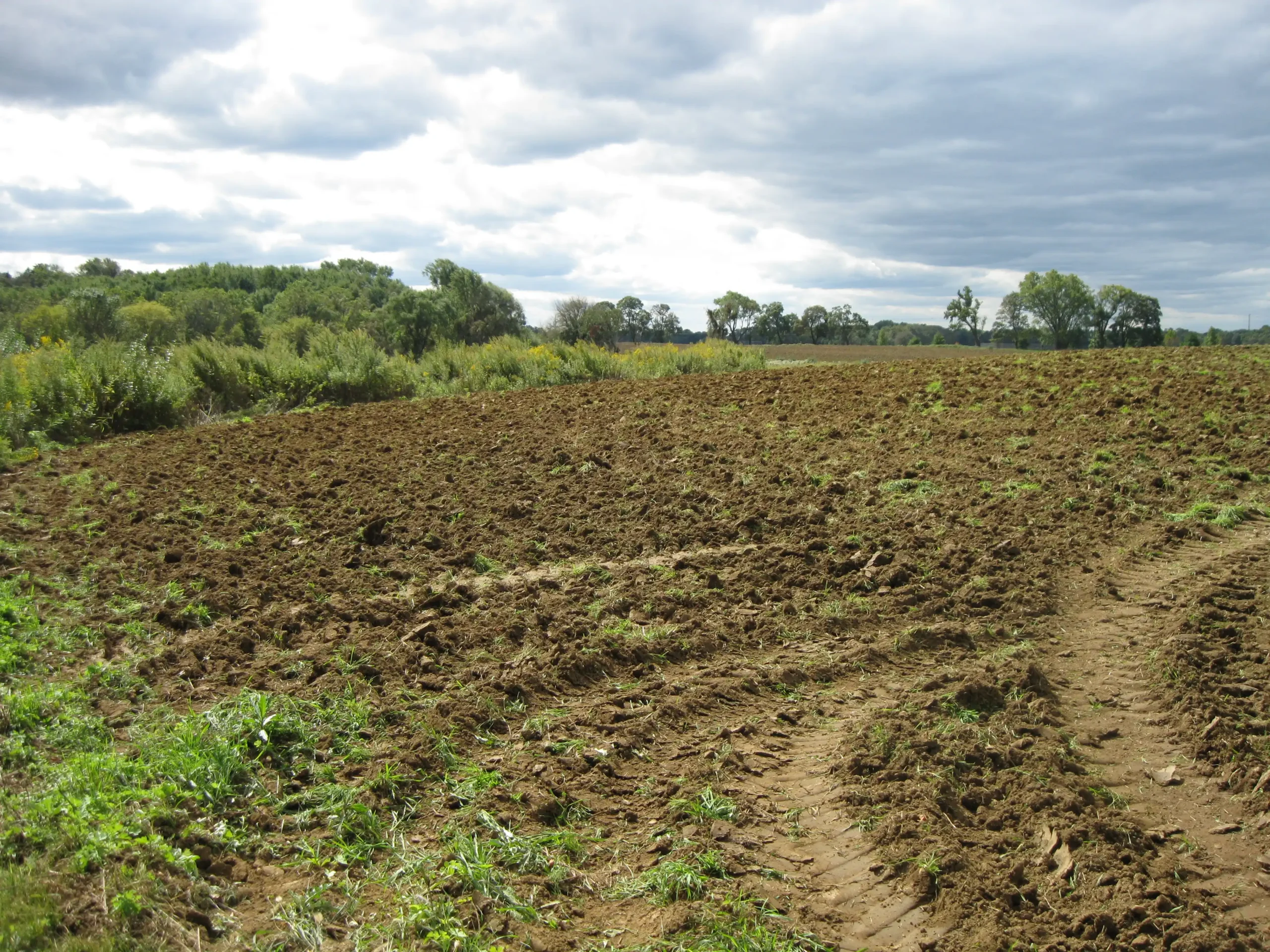
Why is it Essential to Retain an LSRP Early in the Construction Planning Process?

The sooner you know of an environmental condition at your site, the sooner you can plan and budget to mitigate the problem. The later you find out about environmental conditions impacting your site, the greater the chance for potential severe consequences that can cause scheduling delays, health concerns, budget overruns, potentially halt your project, and even result in school closures. The goal is to identify, anticipate, and address any potential issues, and the sooner you have an LSRP on board, the sooner you will understand the environmental conditions present and how to manage and budget for them in your project.

Why Are There Regulations Requiring an LSRP for School Projects?

Why Are There Regulations Requiring an LSRP for School Projects?

Why are LSRPs required for school construction projects? The short answer is lessons learned from past incidents. A high-profile case of note involved the construction of a school facility on land previously used by a thermometer factory, which resulted in students and staff being exposed to hazardous substances, including mercury. This incident played a significant role in the creation of new regulations, such as the Madden legislation (P.L. 2007, c.1), as well as broader NJDEP oversight being enacted to protect public health in schools and childcare environments. In addition, the NJDEP Licensed Site Remediation Professional (LSRP) program was created to oversee the majority of environmentally impacted sites in New Jersey.  

How Can LAN Associates Help Schools Navigate Environmental Compliance?

At LAN Associates, we recognize the importance of keeping school districts and administrators on schedule and within budget for their projects. Our Licensed Site Remediation Professionals (LSRPs) and/or Environmental Professionals can be retained independently or as part of a team that collaborates closely with our in-house architectural and engineering departments to deliver seamless environmental services to educational clients across New Jersey. For further guidance, our related articles explain the role and responsibilities of a LSRP and outline the environmental regulations that apply to childcare facilities, offering deeper insight into compliance requirements and project planning considerations.

Whether you’re building a new school, expanding an existing facility, or renovating older buildings, LAN can:

Whether you’re building a new school, expanding an existing facility, or renovating older buildings, LAN can:

How Can LAN Associates Help Schools Navigate Environmental Compliance?

How Can LAN Associates Help Schools Navigate Environmental Compliance?

At LAN Associates, we recognize the importance of keeping school districts and administrators on schedule and within budget for their projects. Our Licensed Site Remediation Professionals (LSRPs) and/or Environmental Professionals can be retained independently or as part of a team that collaborates closely with our in-house architectural and engineering departments to deliver seamless environmental services to educational clients across New Jersey. For further guidance, our related articles explain the role and responsibilities of a LSRP and outline the environmental regulations that apply to childcare facilities, offering deeper insight into compliance requirements and project planning considerations.

How to Get Started With Environmental Compliance For Your School Project

How to Get Started with Environmental Compliance For Your School Project

If you need help navigating the environmental regulations surrounding your educational facility construction project, contact a LAN Associates’ LSRP. Our team of environmental service professionals can help you achieve your goals. 

Get In Touch With a
Licensed Site Remediation Professional

LSPR gateway (#66)

Read More About LSRPs and Other Environmental Issues

Keep up to date with the latest information with insightful articles from LAN’s staff of environmental services professionals.

Need Help With Something Else?

Subscribe To Our Blog

Blog - Subscribe Form (in footer + pop up)